A pollinator planting works on succession, not on volume. Twenty of one plant that flowers for three weeks is a feast followed by nothing, and nothing is the part that matters — pollinators need forage across the whole season, and the gaps are what limit them.
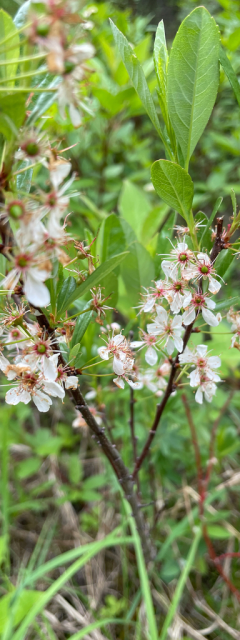
So the useful version is a handful of species with overlapping bloom windows, running from the first warm weeks of spring through to hard frost. Early and late are the valuable ends. Midsummer takes care of itself in most yards; it is the plant flowering in April and the one still going in October that do the real work.
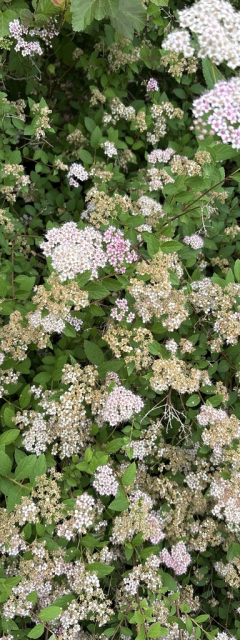
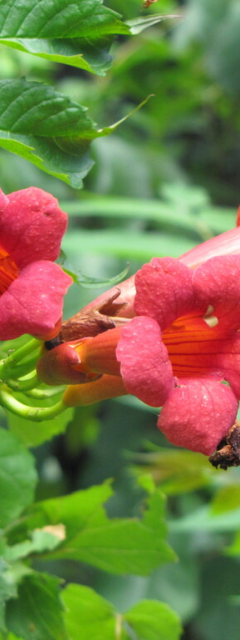
Variety of flower shape matters too, more than most people expect. A short-tongued bee and a butterfly cannot feed from the same flower, so a planting that is all one shape feeds one group. Flat clusters, tubes and open daisies between them cover most of what is out there.
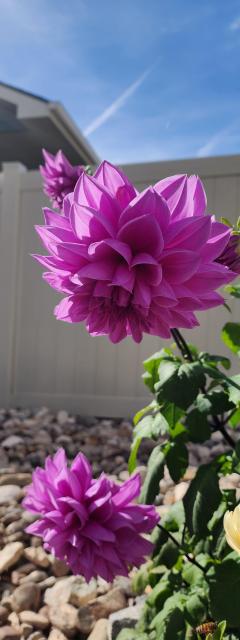
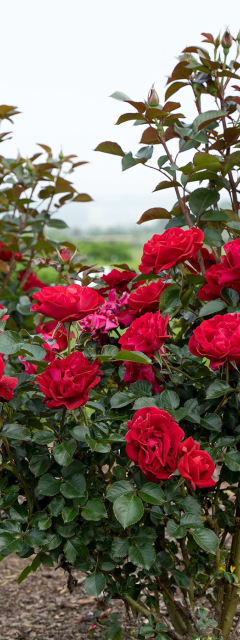
Two practical notes. Native plants generally support more local insects than introduced ones, because the relationships are older — this is one of the places where the native question has a real answer. And doubled or heavily bred ornamental flowers frequently have little pollen or nectar left in them, which is why a bed of showy cultivars can be busy with color and empty of bees.
And it has to be coordinated with any spray program on the property. There is no point planting forage and then treating it.