Rose

Rosa

Cultivars: '(Thousands of named cultivars exist across multiple horticultural classes.) ‘Knock Out', 'Iceberg', 'Double Knock Out', 'Mr. Lincoln', 'Peace'
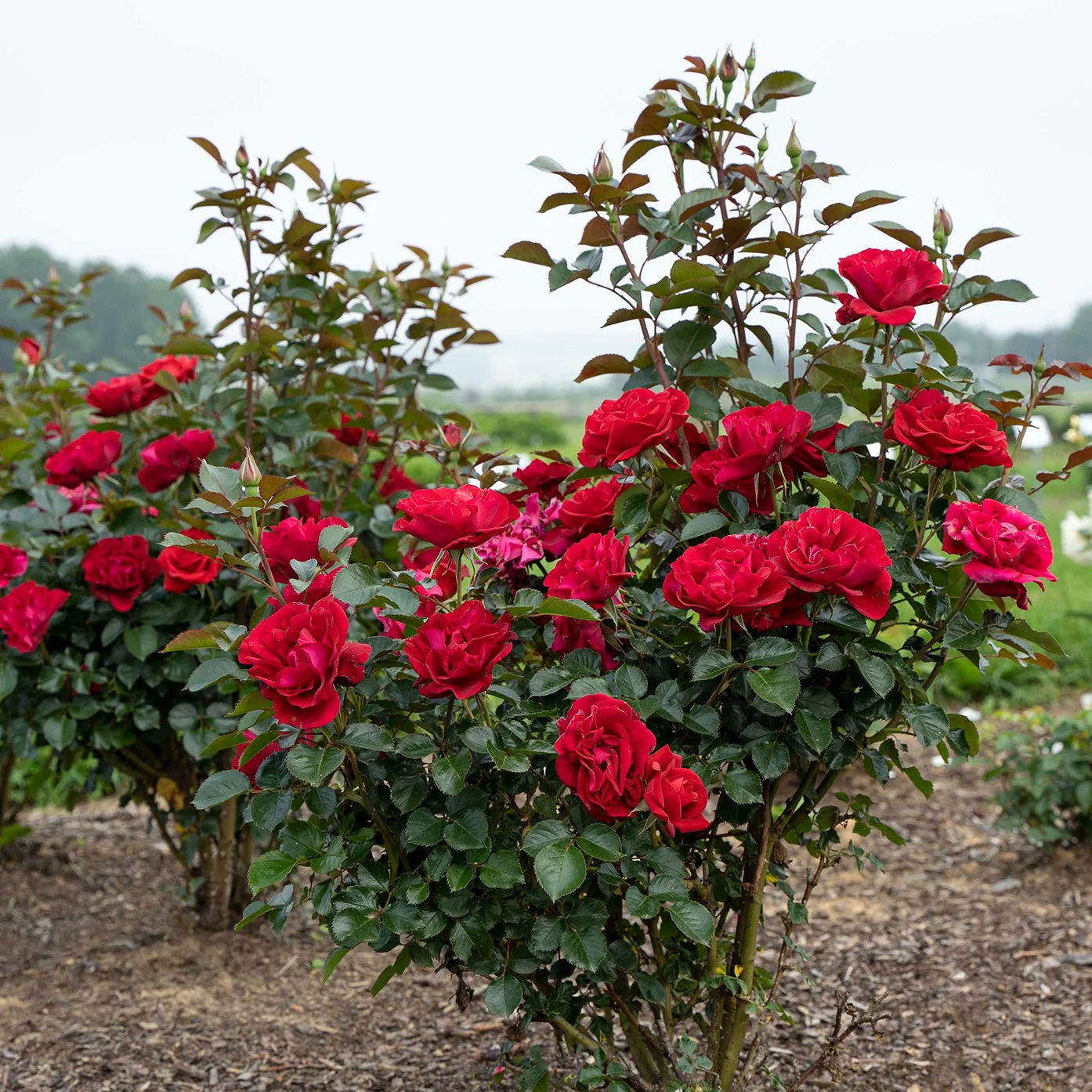
Roses are woody perennial flowering shrubs widely used in ornamental landscapes for their showy blooms, fragrance, and seasonal structure. Depending on cultivar and class, roses may form compact mounded shrubs, upright bushy plants, sprawling groundcovers, or long-caned climbers suitable for trellises and fences. Foliage ranges from fine and glossy to matte and textured, with colors typically in shades of green and occasionally burgundy. Flowers vary dramatically in size, petal count, fragrance, and color, spanning nearly the full ornamental spectrum. Because the genus contains thousands of cultivars bred for different climates, uses, and maintenance levels, roses are generally treated as an umbrella category in plant directories. Individual cultivars may differ substantially in mature size, growth habit, winter hardiness, disease resistance, and maintenance requirements. Landscape selection should therefore be based on specific cultivar performance for the region and intended design use rather than assuming uniform characteristics across all roses.

Plant Characteristics
Genus
Rosa
Species
Rosa
Cultivar
(Thousands of named cultivars exist across multiple horticultural classes.) ‘Knock Out’, ‘Iceberg’, ‘Double Knock Out’, ‘Mr. Lincoln’, ‘Peace’
Family
Rosaceae
Plant Color
Green
Flower Color
Various
Bloom Time
Fall Color
Inconspicuous
Height
1-6'
Width
2-5'
Water Use
Medium
Care Instructions

Most roses perform best in full sun, ideally receiving at least six hours of direct sunlight per day to ensure strong flowering and compact growth. Some cultivars tolerate partial sun, but reduced light typically results in fewer blooms and more open growth. They have medium water needs and benefit from consistent deep watering during the growing season, especially during establishment, active flowering and hot weather. Roses benefit from deep, infrequent watering rather than frequent shallow irrigation. While they are not considered low-water plants in most climates, many modern shrub and landscape roses have improved drought tolerance once established. Pruning is essential and typically done in early spring to remove winter damage, shape the plant, and encourage strong new growth and flowering. Remove spent blooms during the season to promote continued flowering. Cutting back before winter is advised to promote screening, hedging, and density. Winter protection is advised in Rocky Mountain climates, particularly for hybrid teas and less hardy varieties. Mounding mulch around the base in late fall and ensuring adequate fall watering helps prevent winter damage and improves spring recovery.