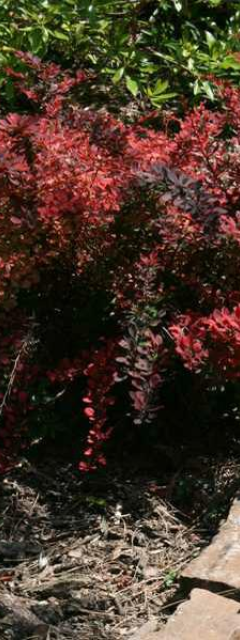
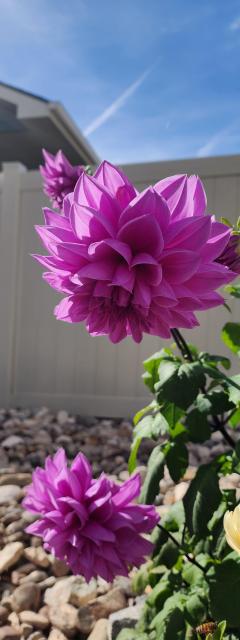
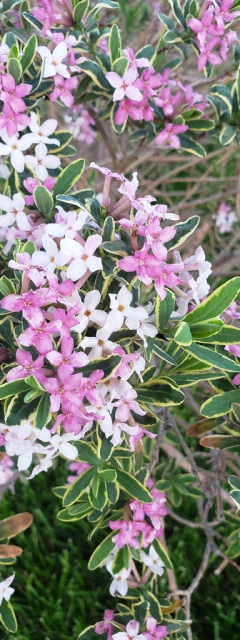
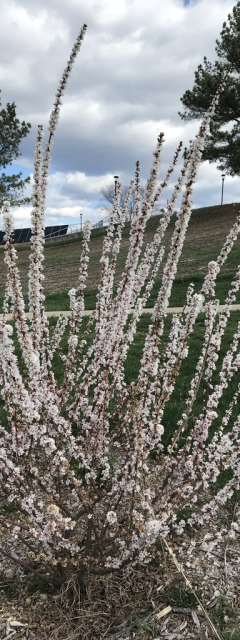
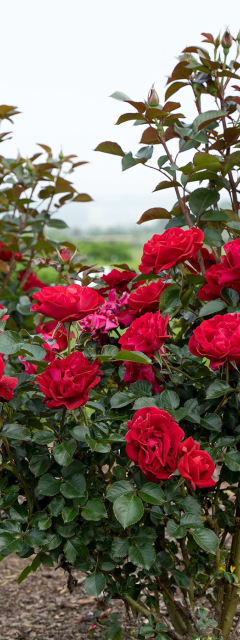
Ornamental is the broadest word on this list. It means a plant is grown for its appearance — flower, form, bark, foliage, fruit — rather than for shade, screening, erosion control or a harvest.
Which is worth saying plainly, because it is doing less work than it looks like it is. Nearly everything in a landscape is ornamental to some degree, so the tag on its own narrows very little. Where it earns its place is as a distinction: this plant is here because somebody wanted to look at it, not because it had a job to do.
That distinction matters more than it sounds. A functional planting is judged on whether it works — the screen screens, the bank holds. An ornamental is judged on whether somebody still likes it in year eight, which is a different and more personal standard. It means the usual advice applies with more force: put it where it is seen, choose it for more than one season, and make sure it suits the site, because an ornamental that struggles is failing at the only job it had.
In the tree catalog the word carries a second, more specific meaning — ornamental trees are small trees, generally under twenty-five feet, as distinct from shade trees. That is a size class rather than a style, and it is the reason the word appears in two places.