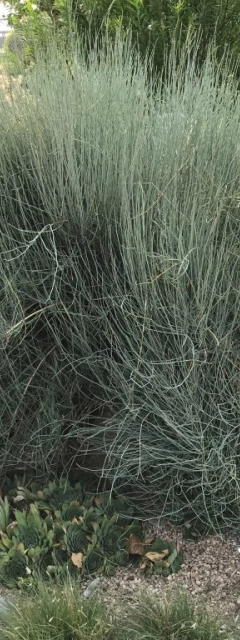
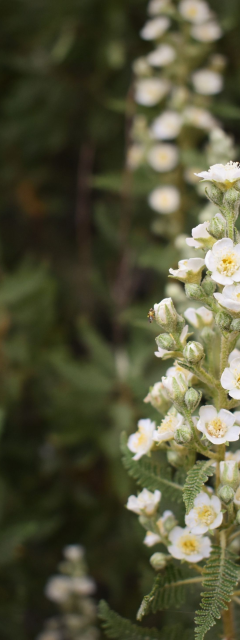
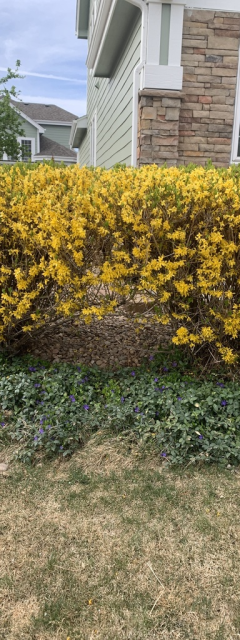
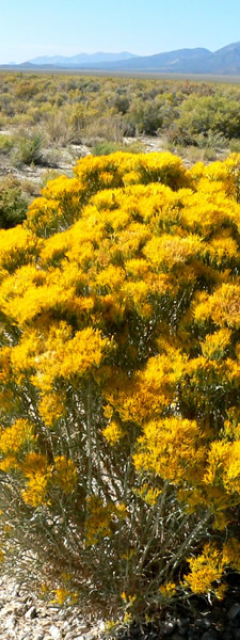
A sun-loving plant needs roughly six hours of direct sun a day to grow properly and flower. Below that it does not die — it does something slower and more frustrating. It stretches toward the light, goes leggy and thin, flowers sparsely or not at all, and generally looks like it needs feeding. People fertilize it, and the extra nitrogen makes it stretch further.
The local wrinkle is that our hours are not the same as somebody else's hours. At 5,000 to 6,500 feet, in dry air with few cloudy days, sunlight arrives with noticeably more intensity and ultraviolet than it does at low elevation. A plant grown and rated in a humid climate can be genuinely sun-loving there and still scorch on a west-facing wall here.
Which is why exposure matters more than a count of hours. Morning sun is gentler — the air is cooler, the plant is turgid from overnight, and the light climbs gradually. Afternoon west sun is the harshest exposure in any yard here, and it is worse again against a light-colored wall or over rock mulch, both of which reflect heat and light back up into the plant.
Six hours of morning and midday sun and six hours of afternoon west sun are two different assignments, and a fair number of plants will take the first and not the second.