An evergreen is doing its job in February, which is the whole case for it. Five months of the year everything else is bare, and whatever holds foliage is carrying the shape of the yard.
February is also when it is under the most stress, and the cause is not cold. An evergreen keeps its leaves, so it keeps losing water through them all winter — and when the ground is frozen the roots cannot replace what is lost. Add dry wind and the intense winter sun we get at this elevation and the plant dries out from the exposed side inward. Foliage goes brown and brittle. That is winter burn, and it has nothing to do with hardiness ratings.
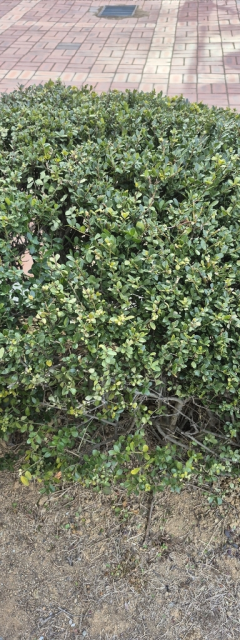
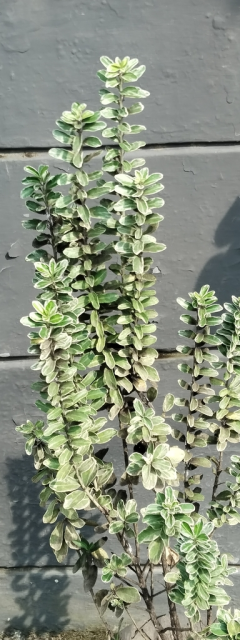
It shapes which evergreens work here. Needled and scaled plants — junipers, pines, dwarf spruce — have less surface area losing water and a waxy coating holding it in, and most of them come from somewhere just as dry. Broadleaf evergreens have more leaf exposed and show it; boxwood is the one most often asked for and it browns on the south and west sides unless it is sited carefully.
Two things decide the outcome: where it goes, and whether it went into winter watered. North and east exposures out of the prevailing wind, and a deep soak before the ground freezes. That soak is the most useful thing anybody can do for an evergreen here and almost nobody does it.