Honeysuckle

Lonicera tatarica, Lonicera korolkowii, Lonicera involucrata, Lonicera caerulea

Cultivars: 'Arnold Red', 'Zabelii', 'Honeybaby'
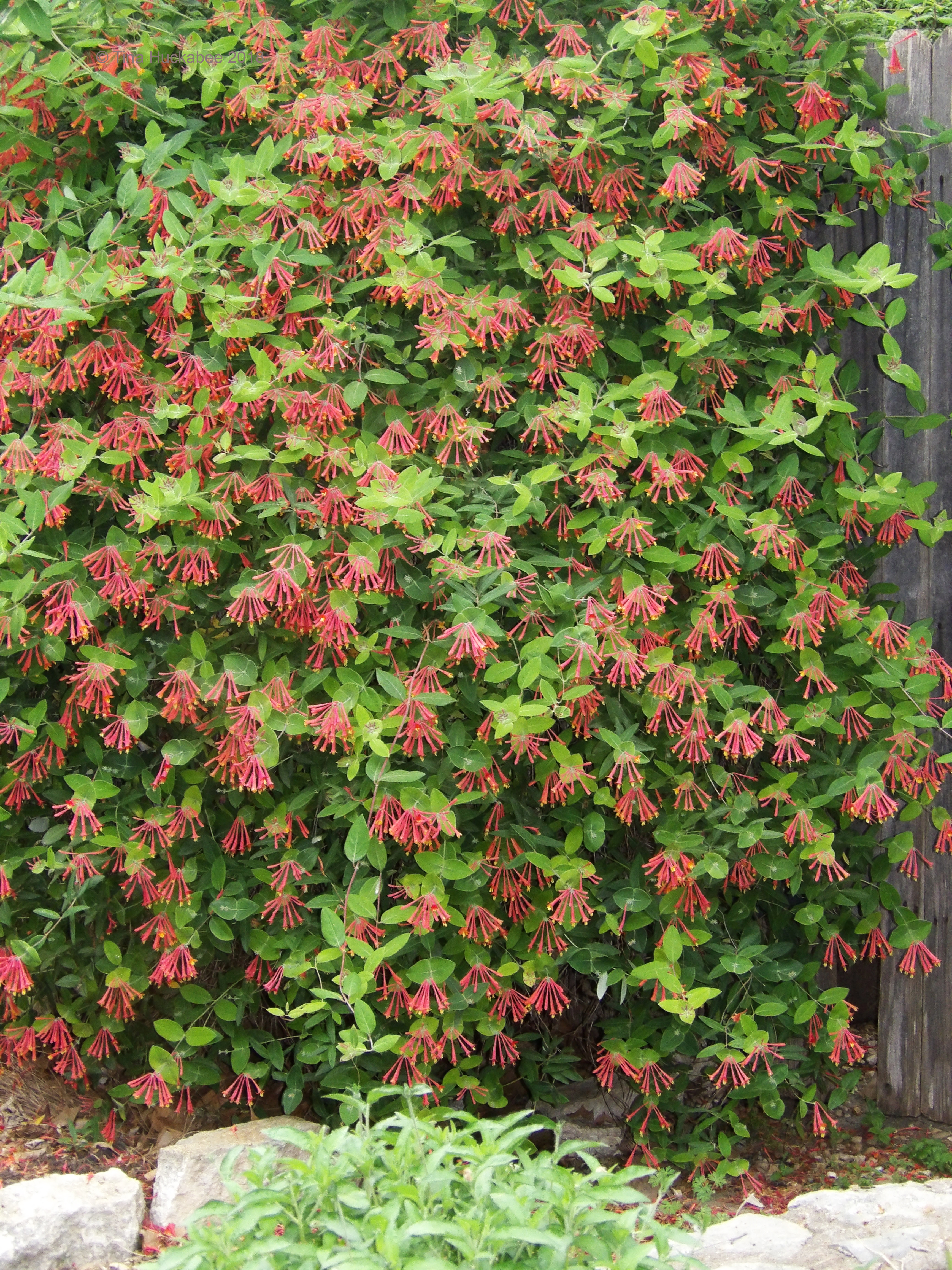
Shrub honeysuckles are valued for their durability, dense branching, and seasonal bloom and berry display. In spring to early summer they produce tubular flowers that attract pollinators, followed by colorful berries that provide ornamental interest and bird habitat. Growth habit varies by species, but most form rounded, moderately dense shrubs suitable for screening, wildlife plantings, and informal borders. Their adaptability makes them useful in larger landscapes or areas where low-maintenance coverage is desired.

Plant Characteristics
Genus
Lonicera
Species
Lonicera tatarica, Lonicera korolkowii, Lonicera involucrata, Lonicera caerulea
Cultivar
‘Arnold Red’, ‘Zabelii’, ‘Honeybaby’
Family
Caprifoliaceae
Plant Color
Green
Flower Color
Pink, red, white, yellow, orange
Height
2-12'
Width
3-15'
Water Use
Low-medium
Care Instructions

Honeysuckle performs best in full sun to partial sun and tolerates a range of soil conditions. It has low to medium water needs once established. Water regularly during establishment, then transition to deep, infrequent irrigation. Pruning can be done in late winter to remove older stems and encourage vigorous new growth. For rejuvenation, older shrubs may benefit from heavier thinning at ground level in early spring. Winter protection is typically unnecessary in Rocky Mountain settings.