Summer runs as two operations side by side, and most properties only see one of them.
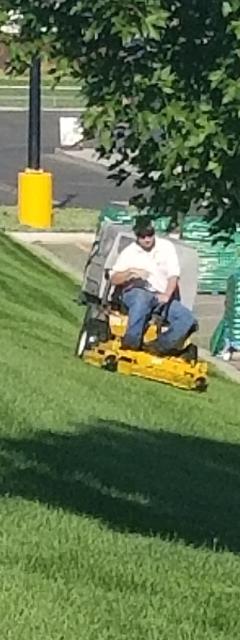
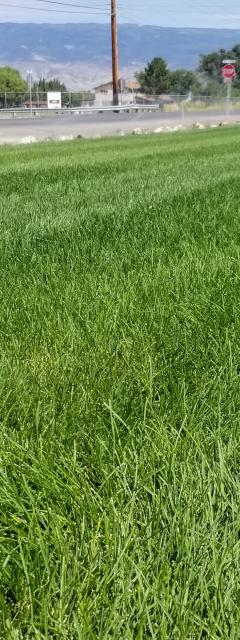
The first is the route. Mowing on a schedule, feeding on a schedule, weed and insect control on a schedule. The whole point of it is that it happens without anybody calling to arrange it — the crew comes when it is due, and the property is simply maintained rather than periodically rescued. It is the least dramatic thing we do and it is the backbone of the summer.
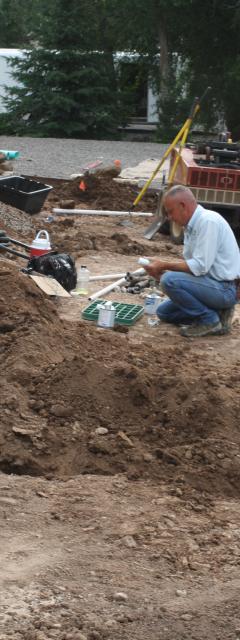
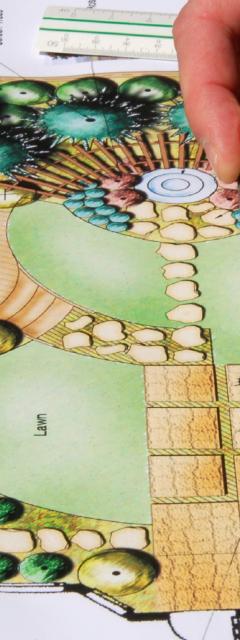
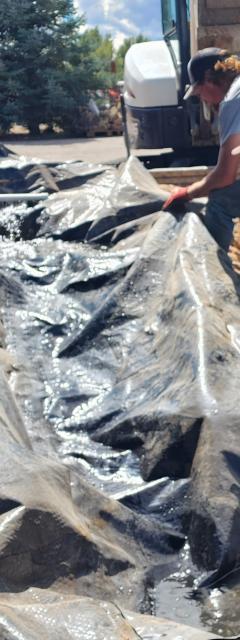
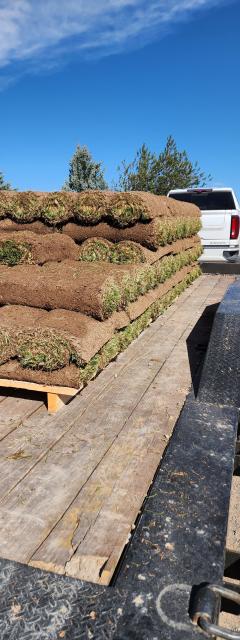
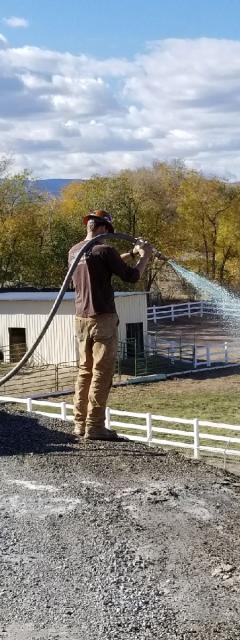
The second is construction. Summer is when the installs happen: patios, retaining walls, rock work, water features, xeriscape conversions, planting, sod and hydroseed. It is also why the design work belongs in winter — a project drawn in January is a project being built in June, and a project drawn in June is waiting until next year.
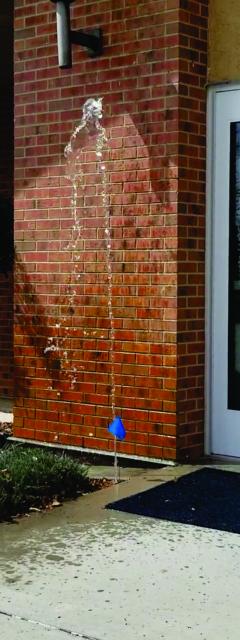
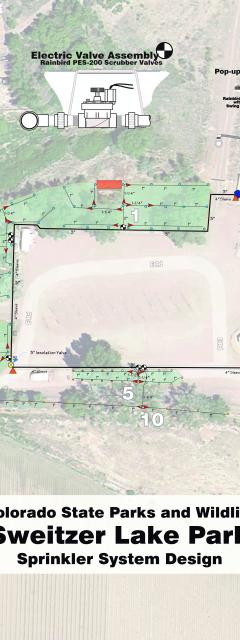
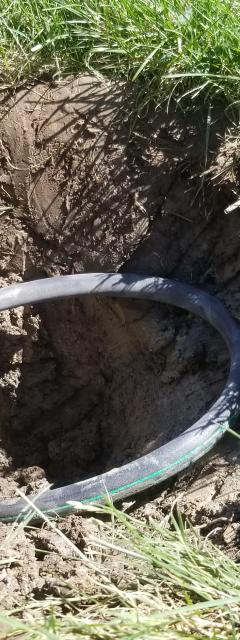
Underneath both of them is water, and it decides more outcomes in July than anything else. Most summer damage traces back to it, including the damage that does not look like it does. A healthy pine pushes attacking beetles out with resin; a pine that ran short of water cannot make enough pitch, and the beetles get in. Spider mites explode on plants that are hot and dry. A lawn watered shallowly every day grows a shallow root system and then cannot survive the week the system goes down. The beetle, the mite and the brown lawn are the symptoms. The water is the cause, and watering deeply and less often is the cheapest thing anybody does for a property all year.
Summer is also a season of restraint, which is the part nobody expects. Heavy pruning in the heat stresses a plant that is already working hard. Aeration and dethatching belong in spring or fall, not July. A lawn fed heavily in a hot dry spell pushes growth it cannot support. There is a real amount of work that is better not done in midsummer, and we will say so rather than sell it.