Currant & Gooseberry

Ribes spp.

Cultivars: 'Red Lake’ (red currant)', 'Crandall’ (clove currant)', 'Pixwell’ (gooseberry)'
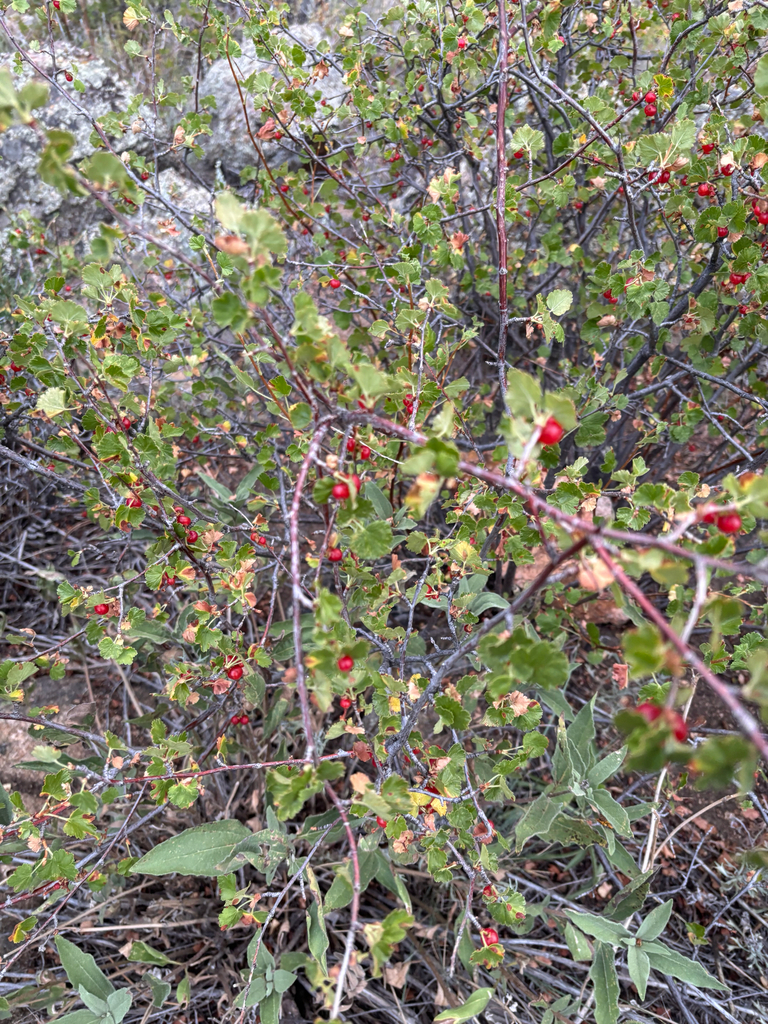
Currants and gooseberries are compact, multi-stem fruiting shrubs valued for both edible production and ornamental landscape use. In spring they produce small, delicate flowers followed by clusters of berries that range from red and black to green or gold depending on species and cultivar. Their fine-textured foliage and manageable size make them suitable for edible landscapes, mixed shrub borders, and backyard orchard plantings. In addition to fruit production, they provide seasonal structure and wildlife value. Many selections are cold hardy and well suited to Rocky Mountain climates, especially when planted in protected sites with good airflow.

Plant Characteristics
Genus
Ribes
Species
Ribes spp.
Cultivar
‘Red Lake’ (red currant), ‘Crandall’ (clove currant), ‘Pixwell’ (gooseberry)
Family
Grossulariaceae
Plant Color
Green
Flower Color
Inconspicuous
Bloom Time
Fall Color
Yellow
Height
3-6'
Width
3-10'
Water Use
Medium
Care Instructions

Currants and gooseberries perform best in full sun to partial sun, with some afternoon shade beneficial in hotter exposures. They prefer well-drained soil with consistent moisture and have medium water needs, especially during fruit development. Regular deep watering helps maintain plant vigor and fruit quality. Pruning is important for productivity and should be done in late winter or early spring by removing older canes and encouraging new growth, since fruit forms best on younger wood. Good airflow reduces disease pressure. Winter protection is generally not required for hardy cultivars in Rocky Mountain regions, though mulch around the base helps retain soil moisture and protect roots.