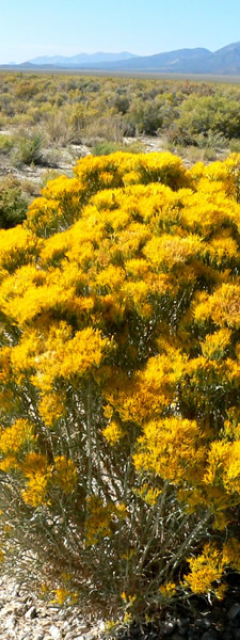
Heat tolerance is usually rated somewhere humid, and dry heat is a different test. In humid air a plant can transpire to cool itself and still hold its water. In dry air at altitude, with wind, the air pulls moisture out faster than the roots can replace it — and the plant wilts in the afternoon while the soil around it is still damp.
That afternoon wilt with wet soil is worth recognizing, because it is routinely mistaken for a watering problem. The plant is not short of water in the ground. It is losing it out of the leaves faster than it can move it up, and it recovers on its own overnight. Adding more water does nothing except waterlog the roots.
The real heat load in a yard is rarely the air temperature. It is what surrounds the plant. A south or west wall re-radiates heat into the evening. Concrete and asphalt do the same. And light-colored rock mulch is the one that catches people — it reflects sunlight back up into the underside of the foliage and holds heat well past sundown, so a bed in rock can run substantially hotter than the same bed in bark a few feet away.
Wind compounds all of it. A hot afternoon with wind moves far more water out of a plant than the same temperature in still air, and this is not a still place.